Stone, Silence, and Stories: Walking Through the Living Memory of the Cholas
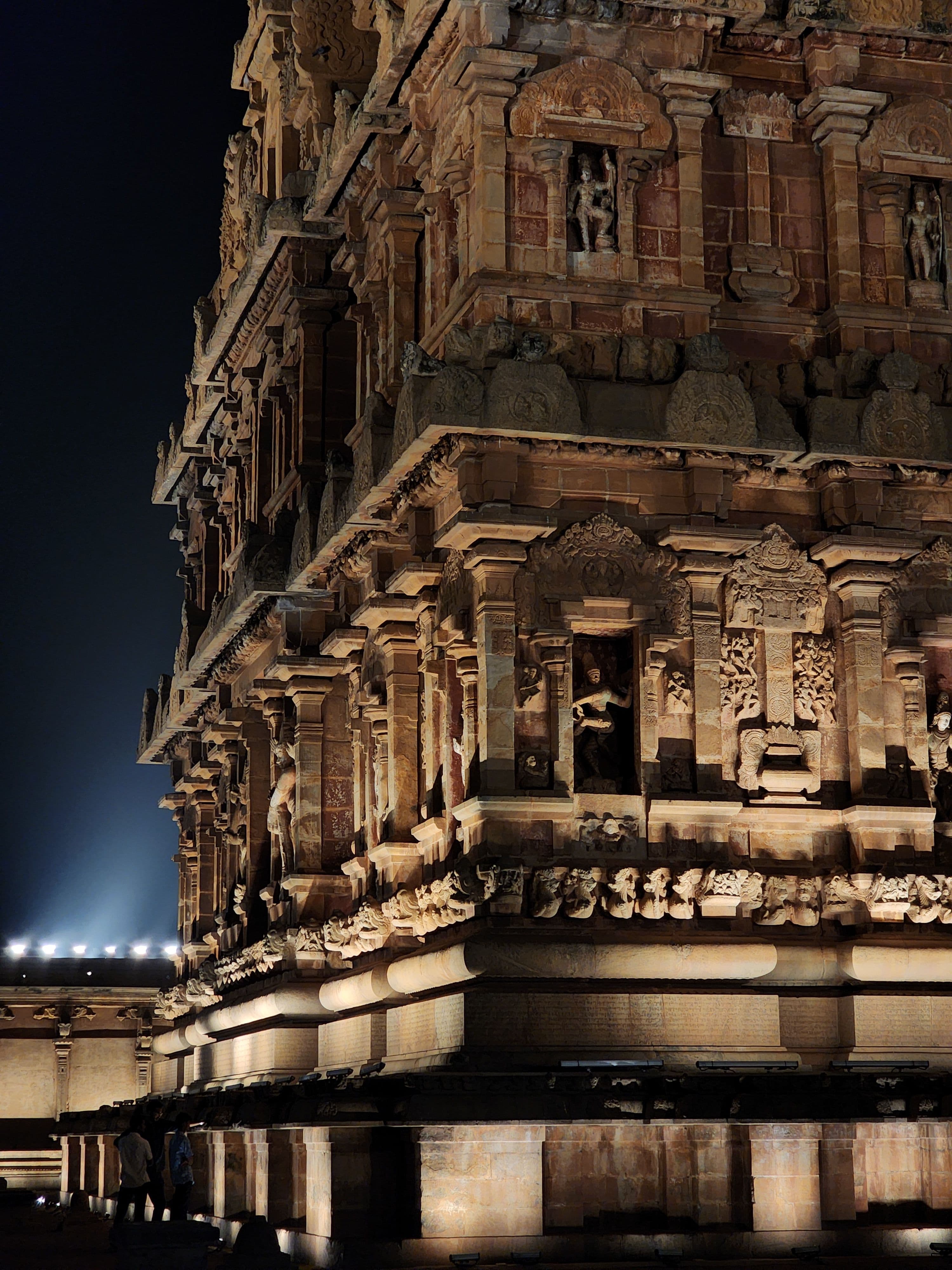
There are places where history sits quietly in museums, behind glass and labels. And then there are places like the great temples of Tamil Nadu, where history still breathes through stone, sound, and space. Walking through these temples does not feel like visiting monuments. It feels like stepping into a civilization that never really left.
This journey took me through four remarkable temples. The Brihadeeswarar Temple at Thanjavur, the Gangaikonda Cholapuram Temple, the Airavatesvara Temple at Darasuram, and the Sri Ranganathaswamy Temple at Srirangam along with the nearby Jambukeshwara Temple. Each one stands as a chapter in the long story of the Chola age and the dynasties that followed. Together, they form a living archive carved in granite.
Brihadeeswarar Temple, Thanjavur
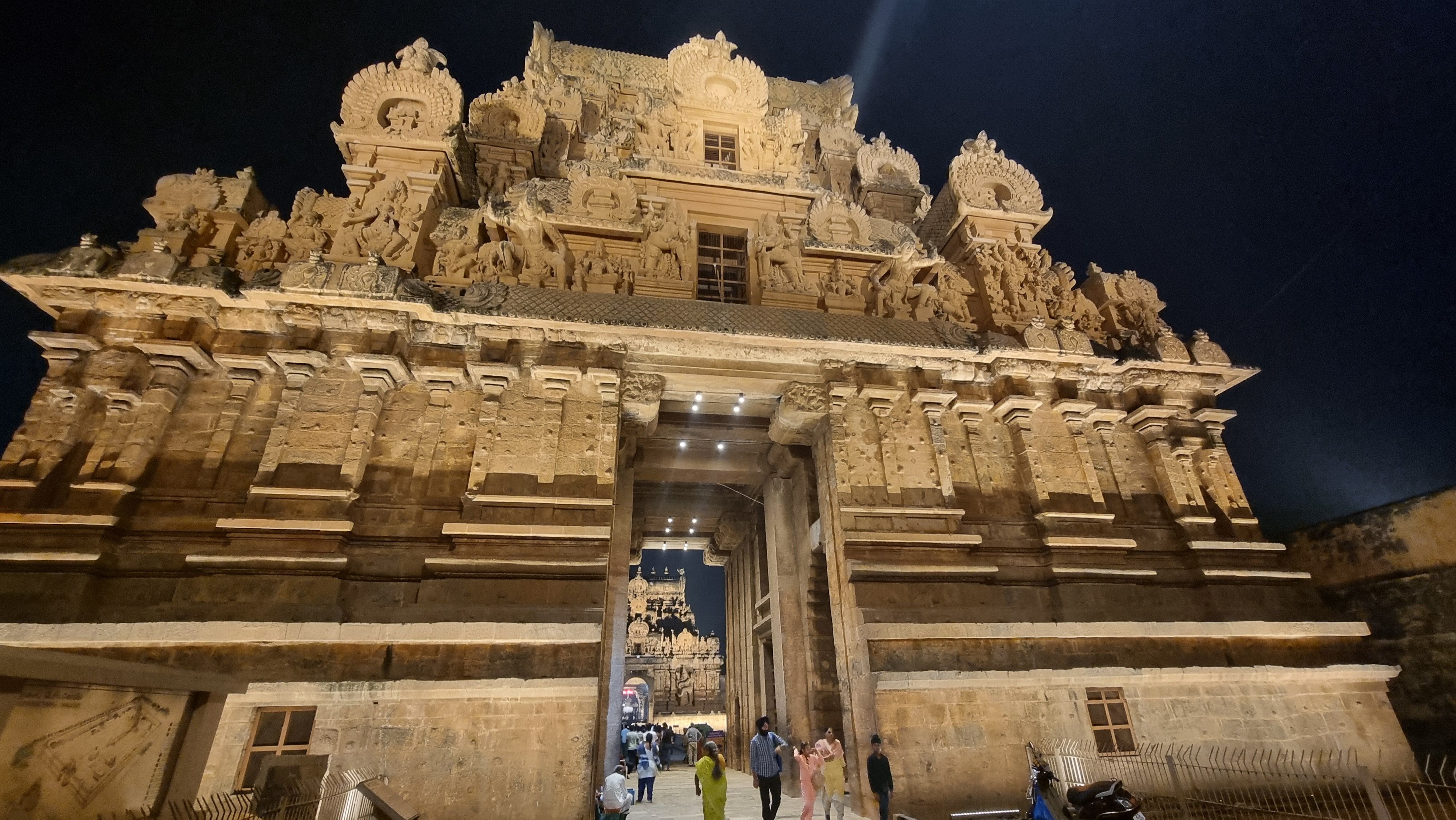
Built in the early eleventh century by Raja Raja Chola I, the Brihadeeswarar Temple is often described as a marvel of scale. But the true wonder lies not only in its size, but in the information it preserves.
The long inscriptions on its walls are not religious verses alone. They record donations, temple staff salaries, land measurements, taxes, rituals, and administrative details. Historians have reconstructed parts of Chola governance simply by reading these inscriptions. In a way, these walls function as public records that survived for a thousand years.
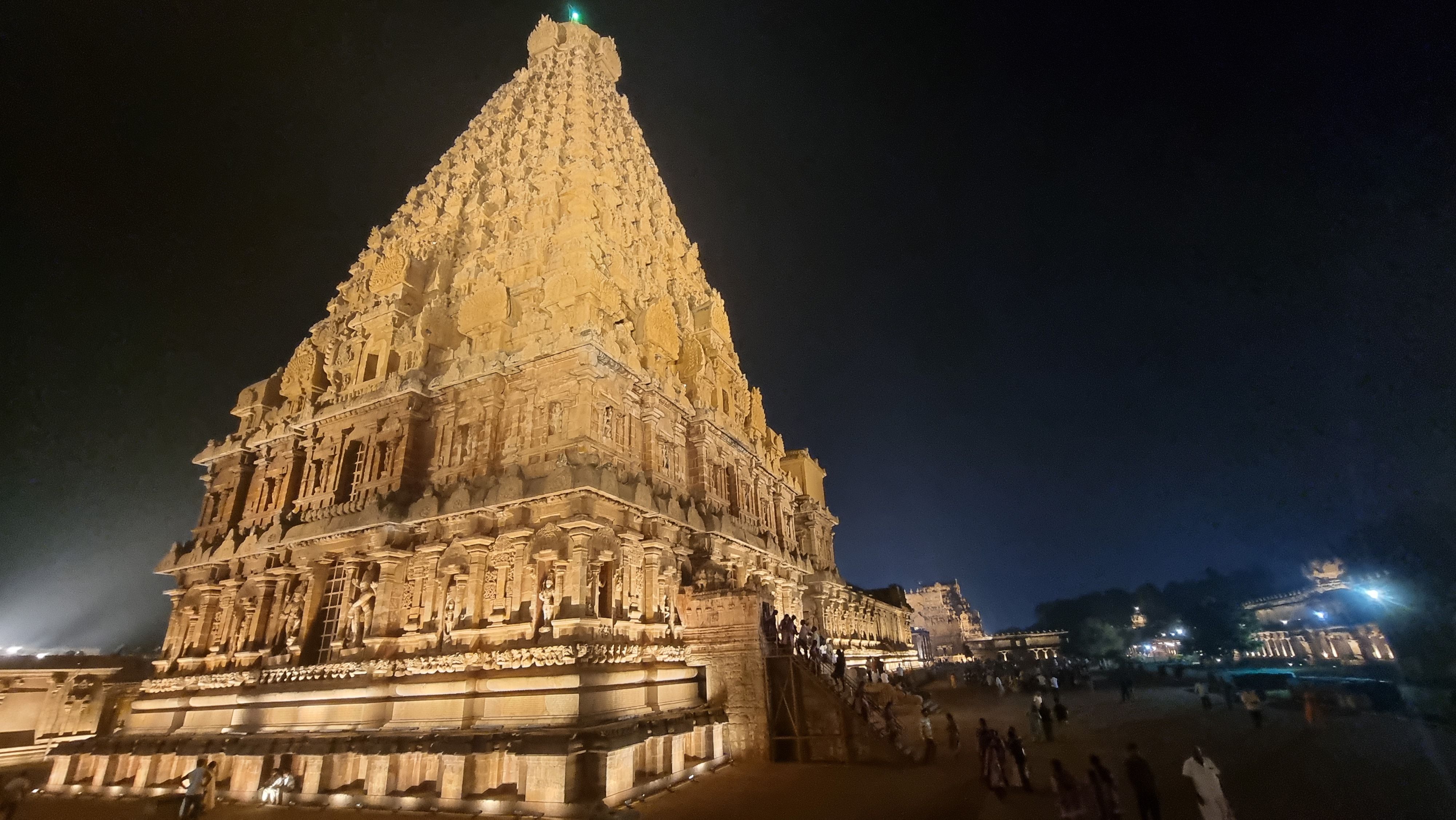
The towering vimana rises over sixty meters without the help of modern machinery. The granite blocks used for construction were not available nearby, which means they were transported from far away. Even today, scholars debate the exact methods used to raise the massive capstone to such a height. What is clear is the extraordinary planning and engineering skill involved.
The sculptures of Shiva in various forms, especially the depiction of the cosmic dance, reflect not only devotion but also deep philosophical thought. Art, science, administration, and spirituality stand side by side here without conflict.
Gangaikonda Cholapuram
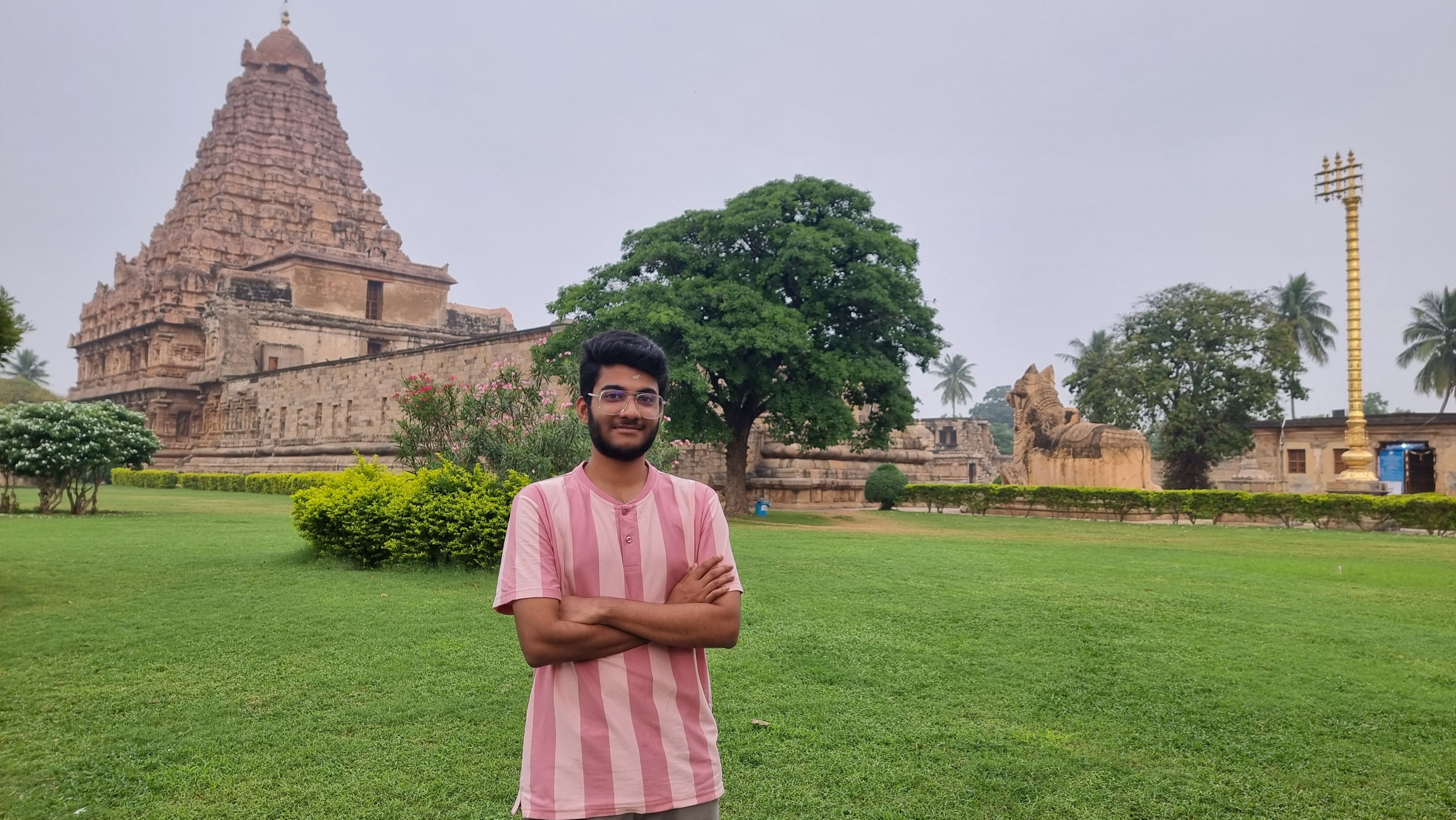
A few decades after Brihadeeswarar was built, Rajendra Chola I, the son of Raja Raja, constructed Gangaikonda Cholapuram to mark his victories in northern India. The temple here resembles Brihadeeswarar in style, yet feels softer and more intimate in proportion.
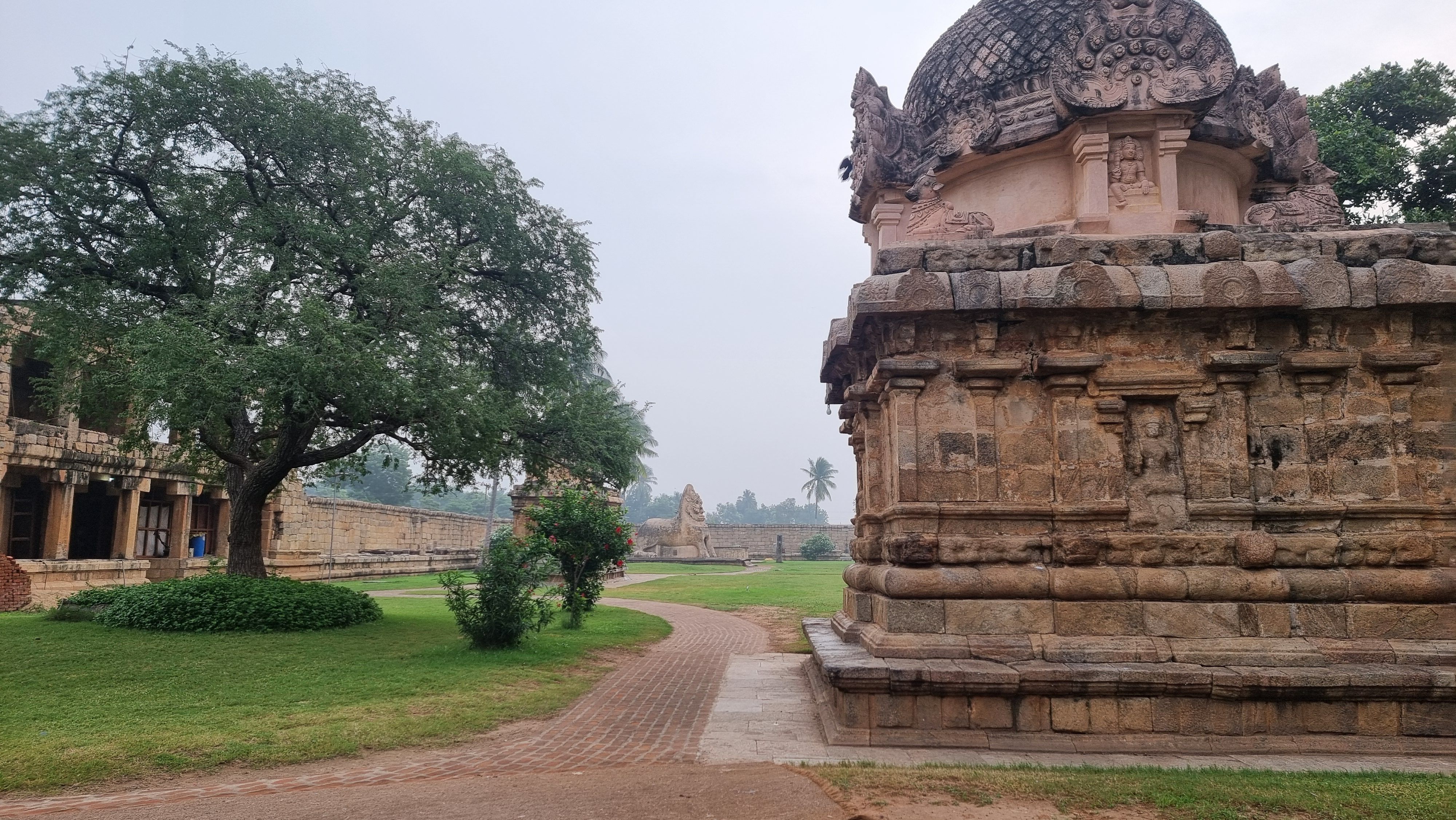
The carvings on its walls read almost like visual records of the king’s campaigns and achievements. They offer clues about the geography of the lands he reached and the scale of the empire he governed. Inside stands a massive Shiva lingam that dominates the sanctum.
One fascinating aspect of this temple is its design for sound. Even a small whisper carries through the stone corridors. This was not accidental. The temple seems to have been built with an understanding of acoustics that enhances the experience of chanting and prayer.
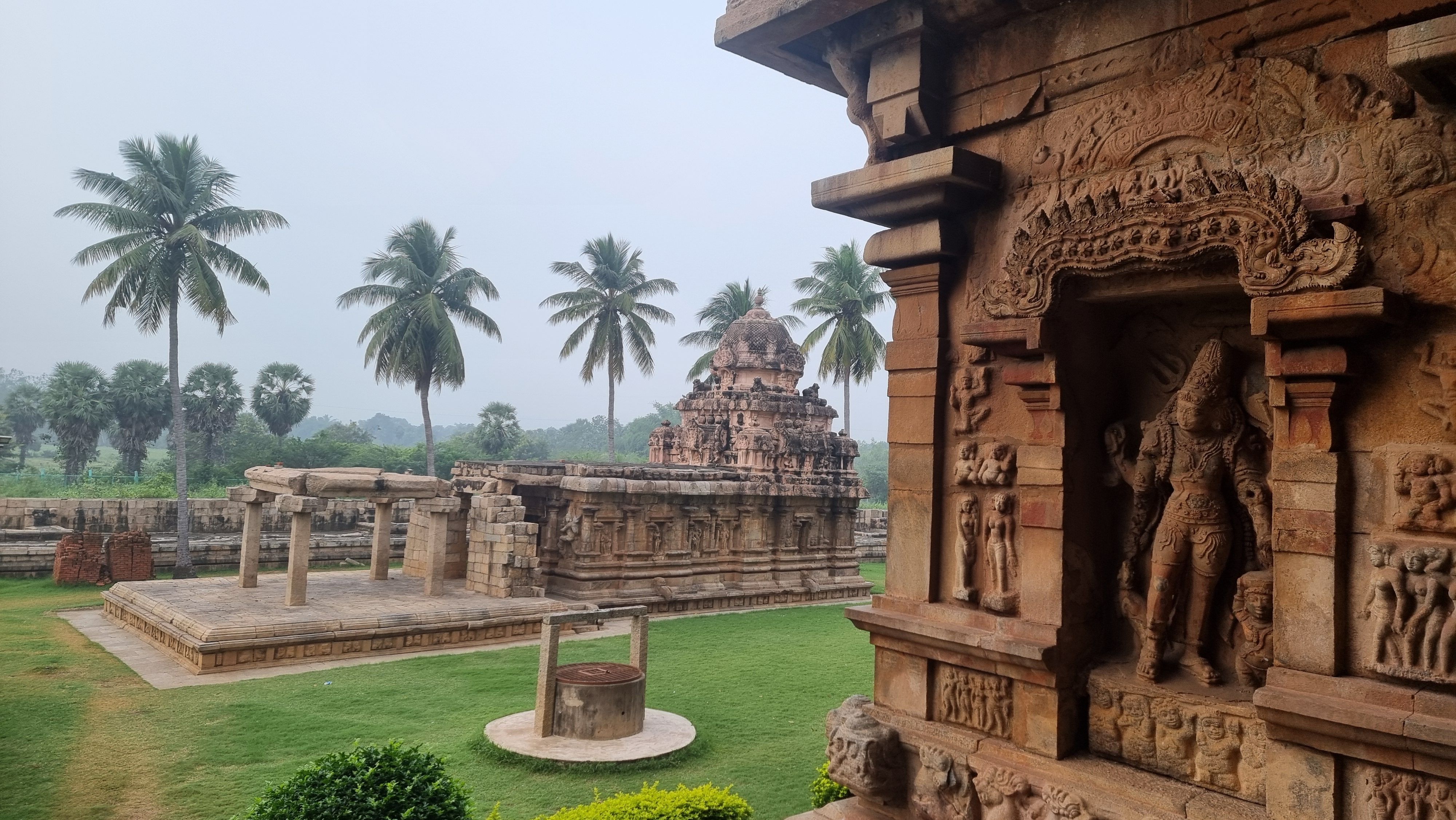
Archaeological studies around the site have also revealed remains of an advanced water management system. Large tanks and channels once supplied water to the city that surrounded the temple, showing that this was not only a sacred space but also the heart of a planned urban center.
Airavatesvara Temple, Darasuram
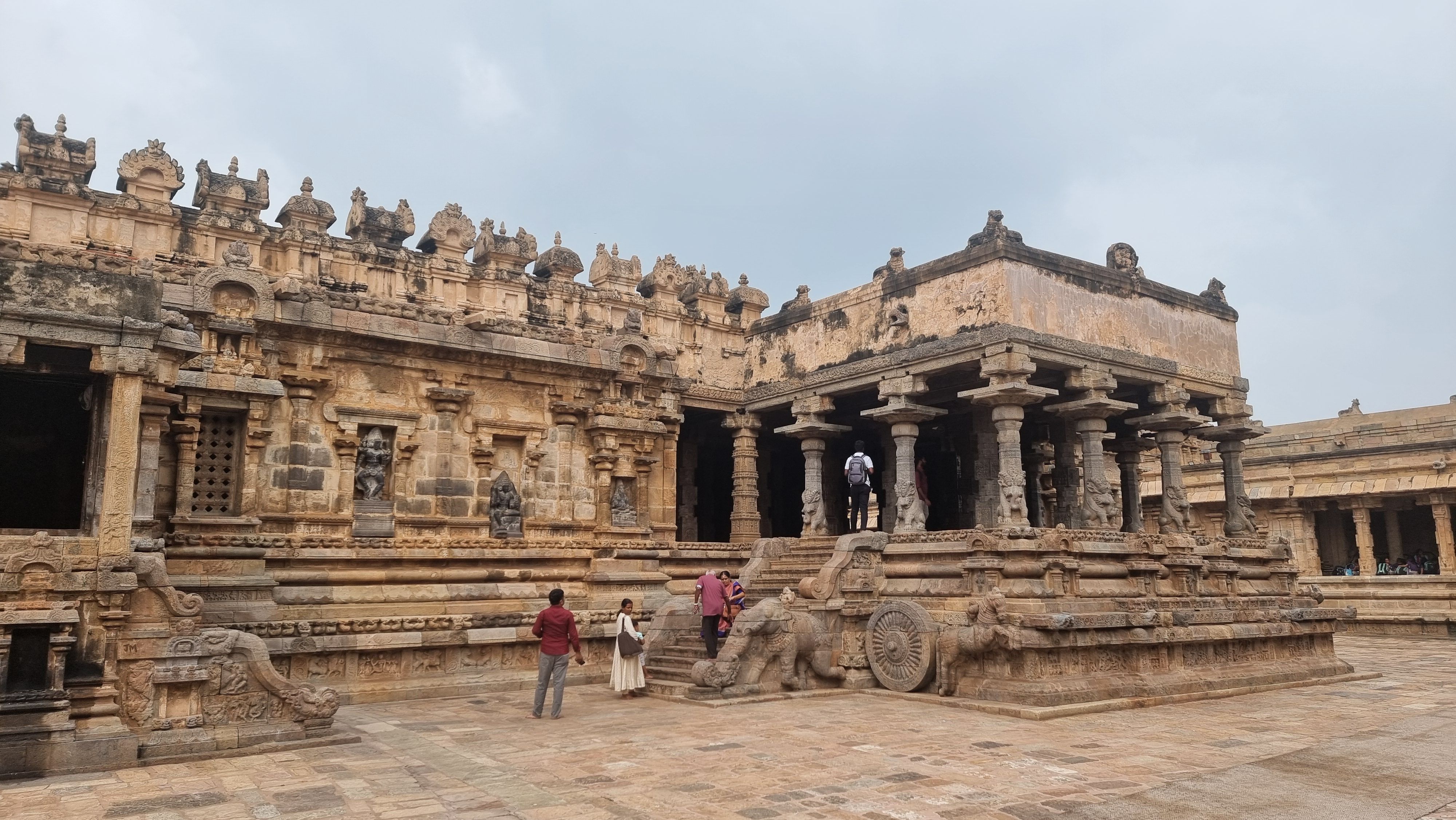
If Brihadeeswarar impresses by scale and Gangaikonda Cholapuram by grace, the Airavatesvara Temple astonishes by detail. Built by Rajaraja Chola II, this temple is often described as a stone gallery of Chola life.
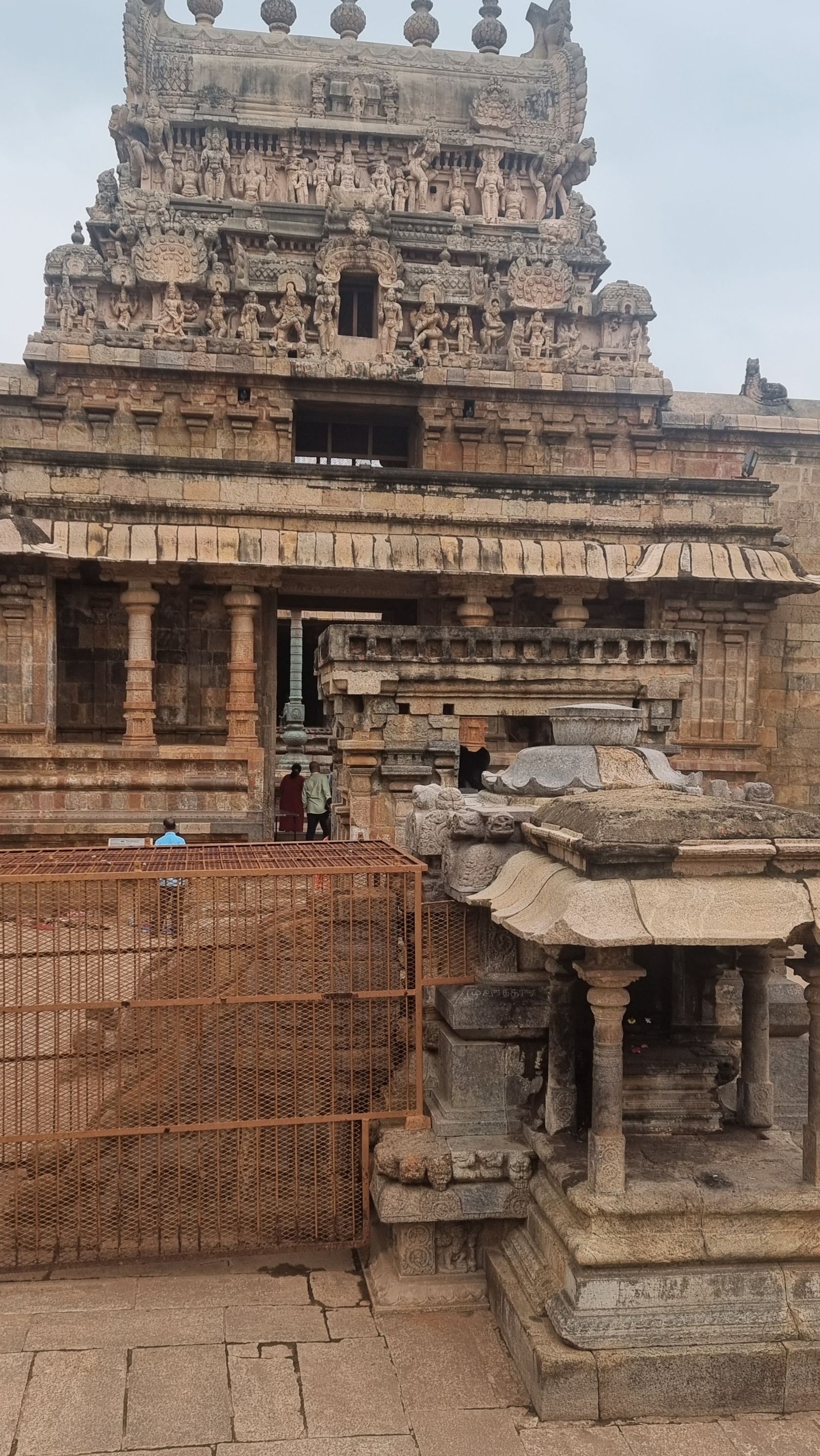
The base of the temple is carved like a chariot. Every wheel, spoke, and panel is shaped with such care that it feels as if the stone could move. The steps near the entrance are known for producing musical notes when tapped, a feature that continues to surprise visitors and researchers alike.
The carvings here go beyond gods and myths. They show dancers, musicians, scenes from daily life, and even depictions that scholars believe relate to ancient medical practices. These sculptures have helped historians understand aspects of social life that written texts rarely describe.
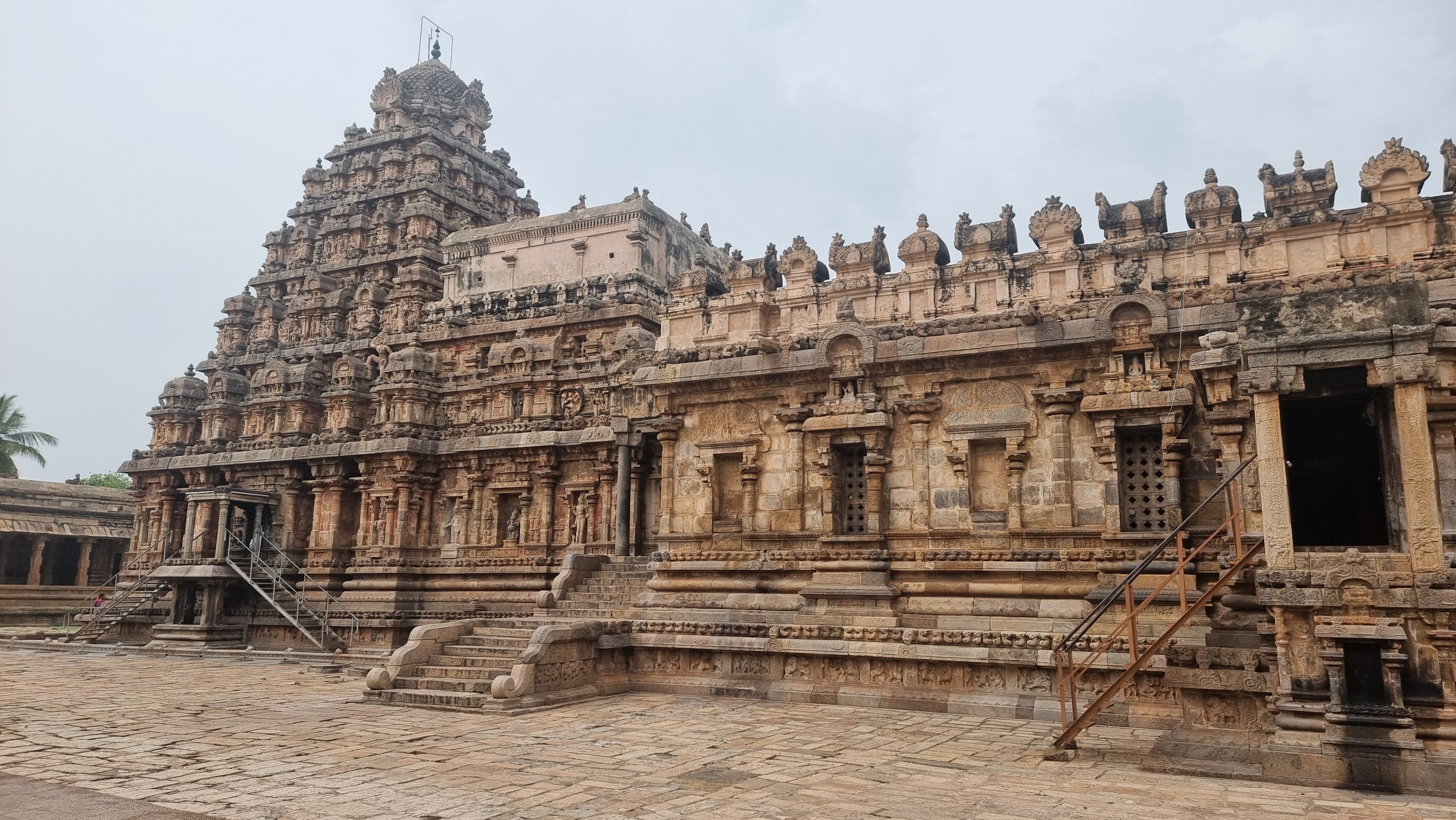
This temple is smaller than the other two, but it invites closer attention. It rewards anyone willing to slow down and look carefully.
Srirangam and the Sri Ranganathaswamy Temple
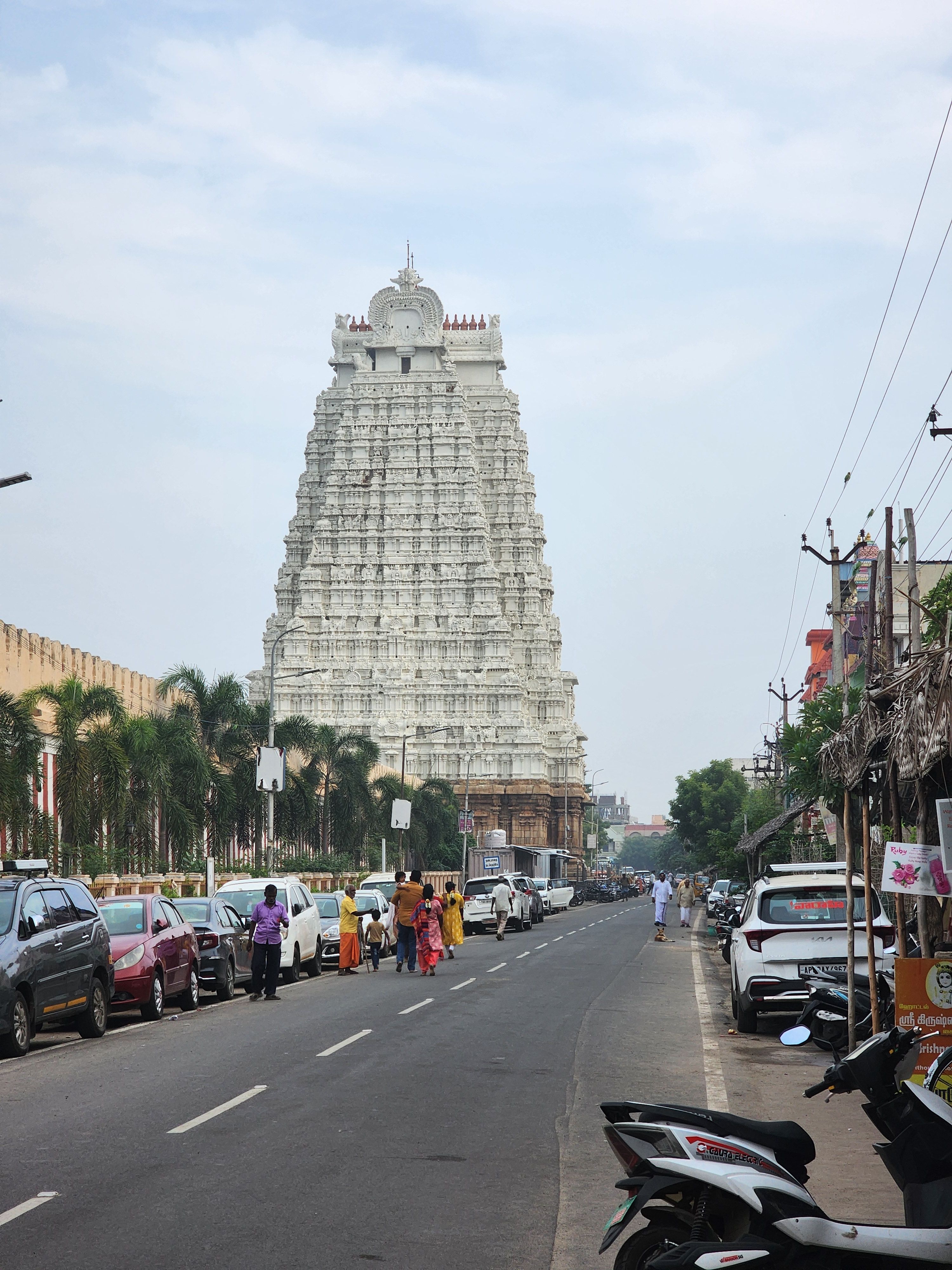
Srirangam feels different from the Chola temples. It is not only a monument. It is a living town wrapped inside temple walls.
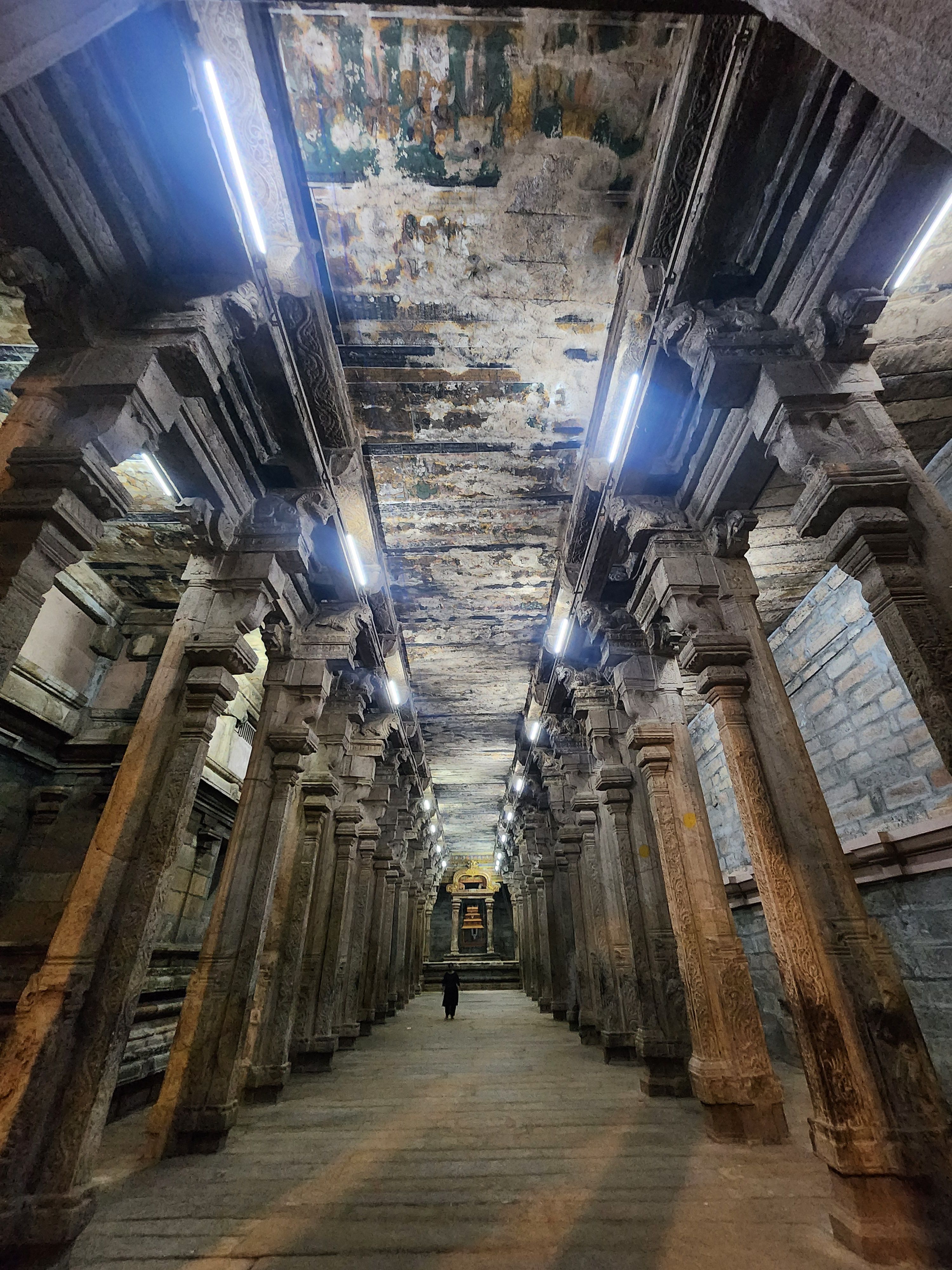
The Sri Ranganathaswamy Temple is considered the largest functioning temple complex in India. Its construction began in the early Chola period and continued under the Pandyas, Hoysalas, Vijayanagara rulers, and the Nayaks. Each dynasty added something, leaving behind inscriptions, halls, and gateways that reflect changing times.
Walking through its long corridors, one hears recitations, temple bells, and the sound of daily life. The temple is dedicated to Vishnu in the reclining form, and the devotion here feels continuous, as if centuries have passed without interruption.
Jambukeshwara Temple
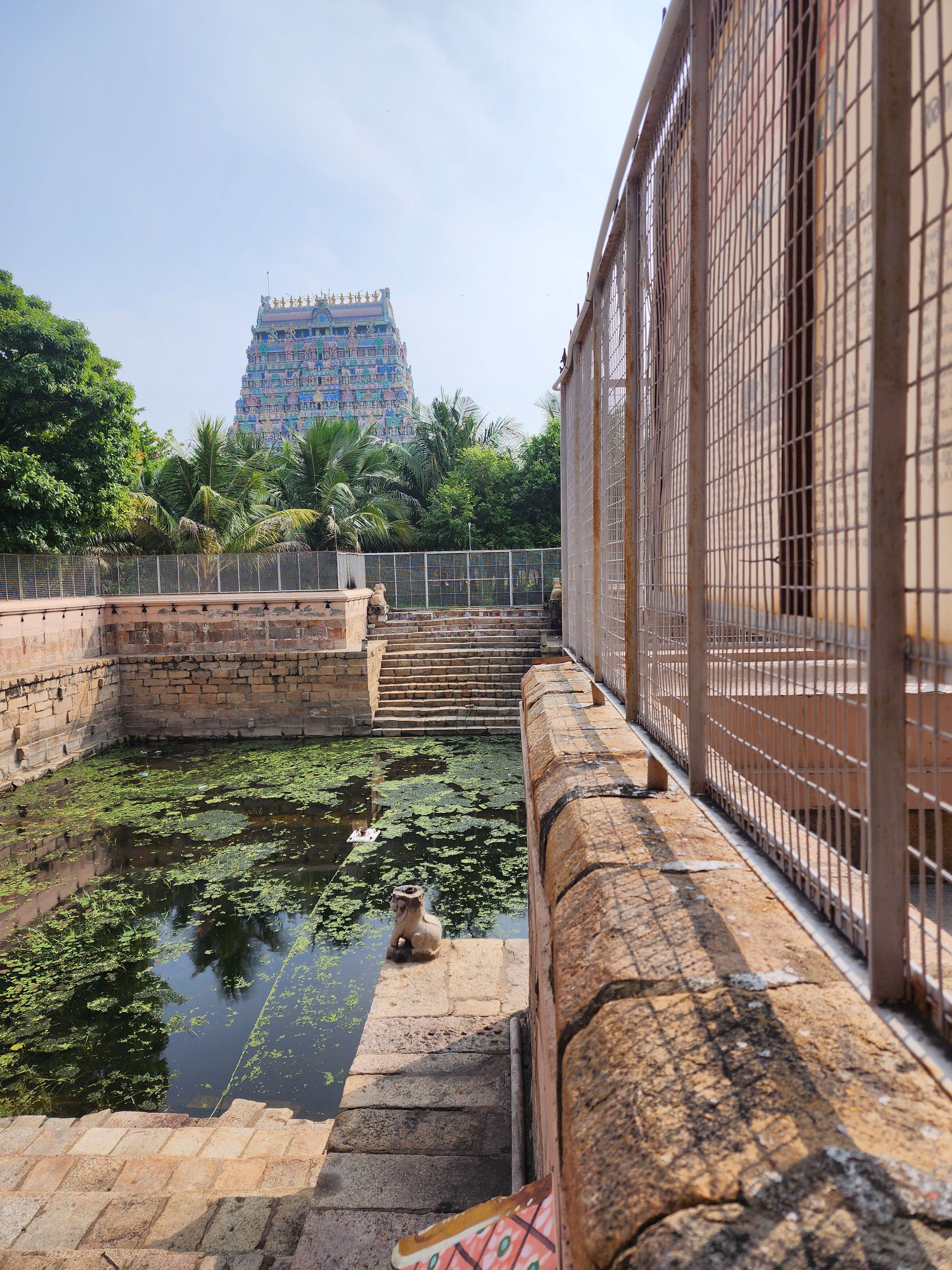
Not far from Srirangam stands the Jambukeshwara Temple at Thiruvanaikaval, dedicated to Shiva and associated with the element of water. Inside the sanctum, a natural spring still feeds water around the lingam, even in the hottest months.
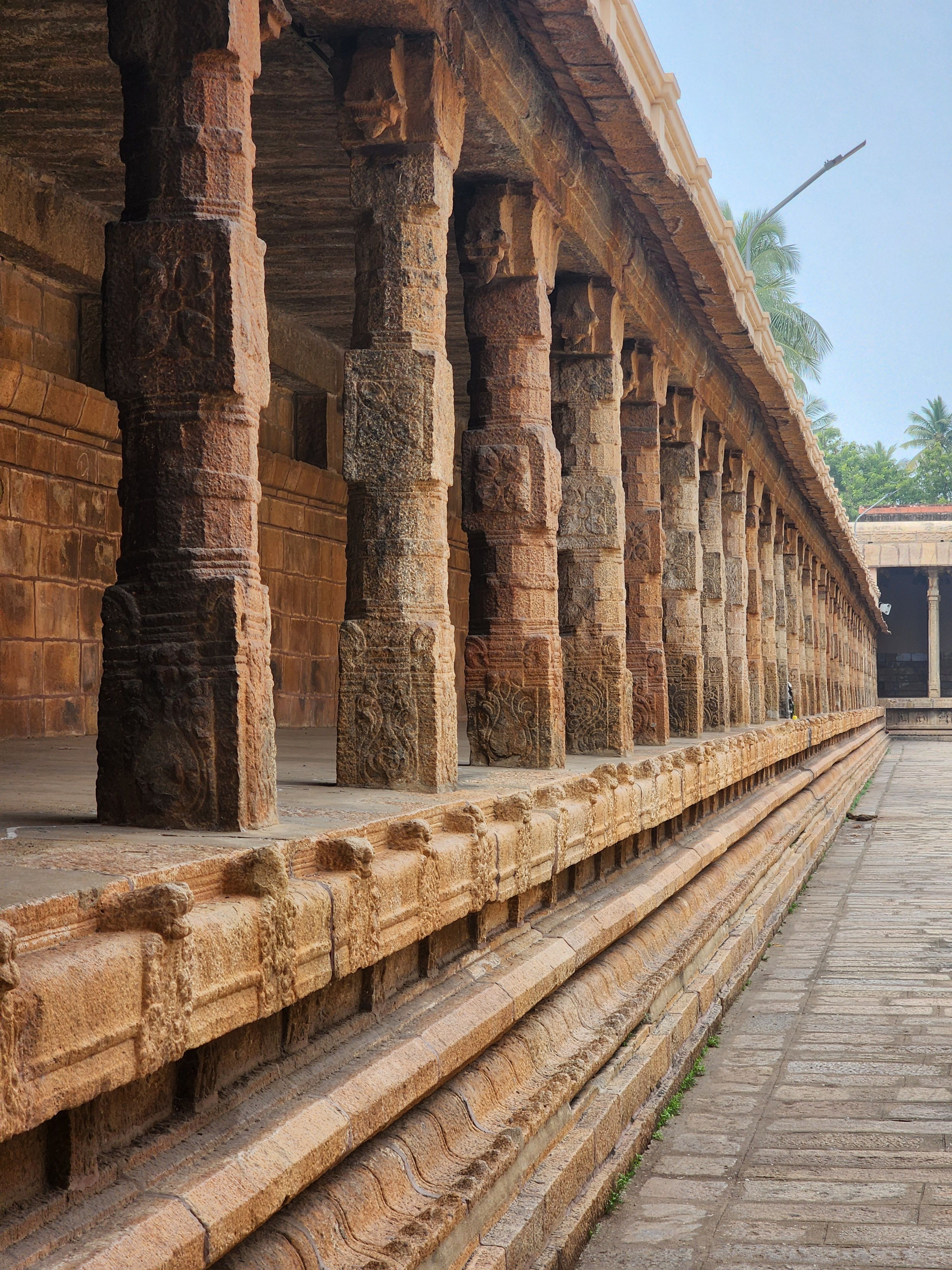
The pillars, halls, and inscriptions here again point to Chola origins, with later additions by other dynasties. The presence of water within the sanctum is not symbolic alone. It reflects a deep understanding of the site’s geography and underground water flow.
One cannot help but wonder how stones weighing several tons were lifted to create the roof slabs and towering structures. The question remains open, and that mystery adds to the sense of wonder.
A Civilization Preserved in Stone
What makes these temples special is not only their beauty. It is the amount of knowledge they quietly preserve. From taxation systems to dance traditions, from urban planning to acoustic design, from spiritual philosophy to daily routine, these temples serve as archives that have outlived empires.
They remind us that for the Cholas and the dynasties that followed, a temple was never just a place of worship. It was a center of learning, administration, art, and community life. Walking through these spaces feels less like a visit and more like a conversation across a thousand years. The stones do not speak loudly. But if one listens carefully, they still tell their stories.